Understand Terrace House Japanese
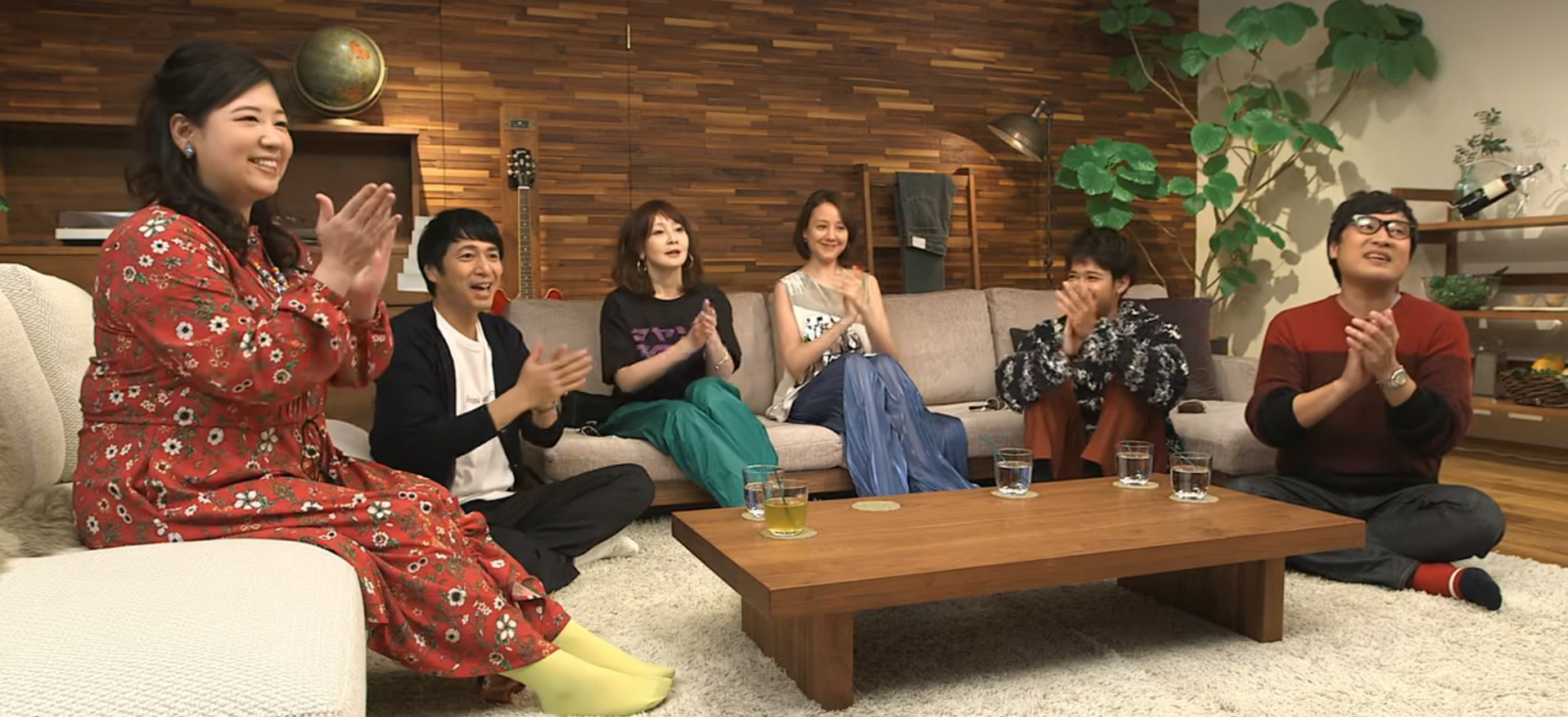
Terrace House has been one of the most valuable watches for me personally when it comes to understanding natural, casually spoken Japanese.
Basically, it follows a group of young men and women living together while pursuing their different goals and also looking for love. You hear tons of everyday conversations about sharing a home, work and school, dating, sports, and different interests.
The program explicitly says that there is no script, and the housemates are not reading prepared dialogue. It is still television, so I cannot know how much direction happens behind the scenes. The important part for a learner is that they speak to each other naturally, much like people do in real life.
In between the house scenes, a studio panel talks about what is happening in the house. Since the language in those parts is quite different, I have focused this article on the conversations happening inside the house.
Create your personal Terrace House deck
Every card carries a real line from the show, minus the words you already know.
Every word and expression in this guide is listed in the tables below.
The words the house actually says
Bars show how much of the show a word turns up in. Five is everywhere; one still means at least 10 episodes across 3 eras.
How people talk 111
The machinery of a conversation: reacting, softening, being polite, and talking about talking.
- マジseriously?; for real
Example
マジ ごめんね 本当に聞いてなかった
Seriously, I'm sorry — I really wasn't listening.
Tokyo 2019–2020 S01E04 · 健司
- ウソyou're kidding (literally 'a lie')
Example
ウソ? 最後の最後で負けちゃった
No way — I lost right at the very end.
Tokyo 2019–2020 S01E04 · 流佳
- 全然ぜんぜんnot at all; totally (before a negative, or casually before a positive)
Example
全然いい 家で みんなでご飯とか食べるの
Totally fine — all of us eating together at home.
Aloha State S04E05 · 智可子
- 別にべつにnot particularly; nothing really
Example
そうだよ 俺 別に いつでもいいよ
That's right. I don't mind, any time works for me.
Opening New Doors S05E38 · 愛大
- 確かたしかcertain; in conversation almost always 確かに, 'true, you're right'
Example
確かに 明日も早いっすもんね
True, you've got an early start tomorrow too.
Boys × Girls Next Door S01E23 · 大樹
- 本当ほんとうreally; is that so
Example
本当 デートで来る場所だよね 結構 ここね
Really, this is a place you'd come on a date, isn't it.
Aloha State S02E04 · 杏奈
- 大丈夫だいじょうぶit's fine; no thanks
Example
大丈夫ですか? はい ありがとうございます
Are you all right? Yes — thank you.
Boys × Girls Next Door S01E94 · 聖南
- ダメno good; not allowed
Example
ダメなんだけど 何でもやってあげたい みたいな
I know I shouldn't, but I want to do everything for him.
Boys × Girls Next Door S01E13 · 華
- ウケるthat's hilarious
Example
ウケるとか 言って めっちゃ 人ごとだった
She just said "that's hilarious" — like it was someone else's problem.
Boys × Girls Next Door S01E60 · 真絵
- びっくりstartled; taken aback
Example
とりあえず 外観に びっくりしたよね
First thing, the outside of the place was a shock.
Boys & Girls in the City S02E25 · 半田
- いきなりout of nowhere; without warning
Example
いきなり コストコ出てきたからね
A Costco just showed up out of nowhere.
Aloha State S03E04 · 雄基
- 何でなんでwhy; how come
Example
何で? ちょっと待って! ちょっと待ってや!
Why? Hang on — hang on a second!
Opening New Doors S03E21 · 麻由
- いろいろall sorts of things
Example
ツイッターに いろいろメッセージ来たよね
All sorts of messages came in on Twitter.
Boys & Girls in the City S01E08 · 達也
- どうもthanks; hi (all-purpose)
Example
はいはい どうも 電話 ありがとう またね
Yeah, yeah, thanks — thanks for calling. See you.
Boys × Girls Next Door S01E69 · 洋介
- ヤダno way; I don't want to
Example
えっ 何? ヤダ ちょっと私いなくなるよ
What? Oh no — hang on, I'm going to disappear.
Opening New Doors S06E42 · 優衣
- きっとsurely; I bet
Example
まだね きっと好きなんだよ だけどさ
She still likes him, I bet. But even so.
Boys & Girls in the City S02E46 · 理子
- それだけthat's all; just that much
Example
それだけ言って 出て行った
He said just that and walked out.
Opening New Doors S03E21 · 貴之
- ヤバいやばいno way; that's mad, good or bad
Example
うわー すごい 見て 霧! 霧ヤバい!
Whoa, amazing — look, fog! The fog is insane!
Opening New Doors S02E12
- めっちゃreally; super (Kansai-flavoured, now universal)
Example
めっちゃ かわいいじゃん!
That's so cute!
Aloha State S02E07 · 杏奈
- むっちゃreally; super (a heavier めっちゃ)
Example
このボール むっちゃ好きやわ
I really love this ball.
Aloha State S01E02 · エリック
- すっごいsooo, a stretched すごい
Example
何かすっごい あれだね チョイスした感じだね
It's got a really — you know — curated feel to it.
Aloha State S02E05 · 大志
- とってもvery (softer, warmer than とても)
Example
意味はないのよ この言葉に とっても意味はないの
There's no meaning in it. This word has no meaning at all.
Opening New Doors S03E22 · 聖南
- いやいやno no, waving something away
Example
ちょっ てっちゃん いやいやいやいや
Hang on, Tecchan — no, no, no, no.
Boys × Girls Next Door S01E06 · 翔太
- 意外といがいとmore than you'd expect
Example
意外と ピュアっていうか 何か かわいいなって思った
She's more innocent than you'd think, and I found that sweet.
Boys & Girls in the City S02E35 · 百花
- むしろif anything; rather
Example
そういうことを むしろ 発言するべきじゃないってこと?
You mean that's the sort of thing I shouldn't be saying out loud?
Boys × Girls Next Door S01E38 · 洋介
- どうせanyway; it's not like it matters
Example
どうせ同じ家に帰るのに 暇じゃん 家 誰もいないよ
We're going home to the same house anyway. You're free — nobody's in.
Boys × Girls Next Door S01E35 · あや
- まだまだnowhere near; still a long way to go
Example
ホントっすか? いや でも まだまだ
Really? Nah, I've still got a long way to go.
Boys × Girls Next Door S01E71 · 一平
- 要はようはbasically; the point is
Example
これは すごい 汚い言葉なんだけど 要は―
It's a really crude word, but basically —
Tokyo 2019–2020 S02E18 · 凌
- ついにfinally, at long last
Example
ついに 遊べるようになった
We can finally go out and play.
Opening New Doors S02E16
- いよいよit's really happening now
Example
いよいよ ラストなんだって 感じだね
It feels like this really is the last one.
Boys × Girls Next Door S01E92
- たまたまby chance; it just happened that
Example
急に私の仕事が たまたま忙しくなったのね
My work just happened to get busy all of a sudden.
Boys × Girls Next Door S01E33
- 何だかんだなんだかんだone way or another; say what you like
Example
何だかんだで みんな料理上手なの?
So one way or another, everyone can cook?
Boys & Girls in the City S01E02 · 達也
- 何かしらなにかしらsomething; some kind of (left vague)
Example
俺たちも何かしらさ 感じてるものはあったわけよ
We were feeling something too, one way or another.
Aloha State S04E09
- だんだんgradually
Example
最初 ちっちゃく始めて だんだん大きくもいいね
Start small at first and gradually go bigger — that'd be good.
Tokyo 2019–2020 S01E10 · 香織
- 一気にいっきにall at once; in one go
Example
食器を全部まとめて 一気に洗いたいみたいな
Like I want to pile up all the dishes and wash them in one go.
Opening New Doors S01E08
- いったんfor now; once
Example
いったん 友達でいようと するのよね
She's trying to just be friends for now.
Boys × Girls Next Door S01E74
- ギリギリonly just; right at the limit
Example
ねっ 結構 時間がギリギリだね
Right? We're cutting it pretty fine on time.
Boys & Girls in the City S01E06 · 達也
- あっという間あっというまover in a flash
Example
あっという間だね ホントにね
It goes by in a flash, doesn't it. It really does.
Boys × Girls Next Door S01E87 · 聖南
- ある程度あるていどto some extent
Example
ある程度 みんなのビジョンが 見えてたほうがやりやすいよね
It's easier if everyone can see the vision to some extent.
Boys & Girls in the City S01E03
- 若干じゃっかんslightly (a shade formal)
Example
若干 登山からの 滝があるみたいな
Apparently there's a slight hike and then a waterfall.
Opening New Doors S04E25 · 麻由
- 余計よけいall the more; uncalled for
Example
余計こうなってってんじゃないの?
Isn't that making it worse?
Tokyo 2019–2020 S01E07
- 正解せいかいthe right answer; good call
Example
それって 一番 正解のあれだよね
That's the right call, isn't it.
Opening New Doors S03E22 · 貴之
- バッチリperfectly; nailed it
Example
あれ? 今日 化粧バッチリしてんじゃん
Hang on — you've done your make-up properly today.
Boys & Girls in the City S02E36
- どうにかsomehow; one way or another
Example
こっちでも どうにかやろうと思います
I'll try to make it work over here somehow.
Tokyo 2019–2020 S01E01 · 翔平
- ほんまreally (Kansai ほんとう)
Example
ほんまに めちゃくちゃ楽しかったよ
It was honestly so much fun.
Opening New Doors S04E28 · ノア
- おもろいfunny; interesting (Kansai 面白い)
Example
おっ すげー! おもろっ!
Whoa, amazing! That's brilliant!
Opening New Doors S05E40 · まや
- ぼちぼちso-so; about time to
Example
ぼちぼちっすかね
About time, I suppose.
Opening New Doors S02E13 · 至恩
- ちょこちょこhere and there; in little bits
Example
一人暮らしで ちょこちょこ
Living on my own, bit by bit.
Boys × Girls Next Door S01E60 · 智恵
- ちょいちょいevery so often
Example
また ちょいちょい やろうね
Let's do this again every so often.
Boys × Girls Next Door S01E89 · 聖南
- せっかくafter going to the trouble; while you're at it
Example
せっかくだからしゃべってくれば?
Since you're here, why don't you go and talk to her?
Boys & Girls in the City S02E32 · 美咲
- ビックリa shock; startled
Example
うーん ビックリなやつ やっちゃった
Yeah, I did something shocking.
Boys × Girls Next Door S01E11 · 聖南
- 完璧かんぺきperfect; flawless
Example
完璧なデートっていうのかな
Would you call that a perfect date?
Tokyo 2019–2020 S01E12 · 莉咲子
- 一切いっさいnot at all; entirely
Example
台本とか 一切ないということでね
There's no script at all, as they say.
Boys × Girls Next Door S01E09
- 何となくなんとなくsomehow; no particular reason
Example
分かんない 何となく言っちゃった
I don't know, I just said it without really thinking.
Tokyo 2019–2020 S02E18 · 愛華
- あんまnot really (spoken あまり)
Example
最近あんま この家 料理してなかったね
Lately nobody's really been cooking in this house.
Boys × Girls Next Door S01E40 · 美和子
- もともとoriginally; to begin with
Example
それは もともと持ってたの?
Did you have that to begin with?
Opening New Doors S03E20 · 至恩
- 何とかなんとかsomehow; one way or another
Example
頑張って終わらせる 何とかなると思う 多分
I'll push through and finish it. It'll work out somehow, probably.
Opening New Doors S03E23 · 優衣
- どっかsomewhere (casual どこか)
Example
みんな 意外にね どっか行っちゃうんだよ
Surprisingly, everyone just wanders off somewhere.
Opening New Doors S05E39 · 愛大
- 一応いちおうjust in case; more or less
Example
ちゃんとね 一応 考えてるんだね
So you have actually thought about it, more or less.
Opening New Doors S04E27 · 優衣
- とりあえずfor now; to start with
Example
うん 聞くだけ とりあえず聞くよ
Yeah, I'll just ask — I'll ask for now at least.
Boys & Girls in the City S02E30 · 半田
- やっぱりas I thought; after all
Example
デカイね やっぱり身長高いね モデルさんだね
You're big — you really are tall. A model, of course.
Boys × Girls Next Door S01E10 · 里英
- もうちょいa little bit more (casual もう少し)
Example
もうちょい こっち行ったほうがいいかな
Maybe we should go a bit further this way.
Tokyo 2019–2020 S01E09
- もしかしてcould it be that…
Example
もしかして 水族館とか行かない?
Maybe — do you want to go to an aquarium or something?
Boys & Girls in the City S01E05
- だいぶquite a lot; considerably
Example
だいぶ顔の腫れも引いたしね
The swelling in my face has gone down a lot.
Aloha State S02E08 · 大志
- ちゃんとproperly; as you should
Example
そこを女子部屋で ちゃんとしてあげてよ
Sort that out properly in the girls' room, would you.
Boys × Girls Next Door S01E62 · 洋介
- よろしくplease treat me well; on introduction
Example
はじめまして よろしくお願いしまーす!
Nice to meet you — looking forward to it!
Boys × Girls Next Door S01E41 · 洋介
- お願いおねがいa request; 'please'
Example
初めまして よろしくお願いいたします
How do you do. I look forward to working with you.
Boys × Girls Next Door S01E49 · 真絵
- お世話おせわlooking after someone; in お世話になる
Example
よし じゃあ お世話になりました
Right then — thank you for having me.
Boys × Girls Next Door S01E51 · 美和子
- いただくto receive; humble 'to eat'
Example
桃ちゃんのも 食べるよ いただきます
I'll eat Momo-chan's too. Thanks for the food.
Boys × Girls Next Door S01E21 · 哲也
- ごちそうさまsaid after eating
Example
おなか いっぱい ごちそうさまでした
I'm full. Thank you for the meal.
Boys × Girls Next Door S01E89 · 聖南
- 案内あんないshowing someone around
Example
あっ まいまいが 案内してくれるの?
Oh, is Maimai going to show us around?
Boys × Girls Next Door S01E65 · 哲也
- 初めてはじめてfor the first time
Example
あー すごい! こんな長いの初めて見た
Wow, amazing! I've never seen one this long.
Boys & Girls in the City S01E07 · 悠里子
- 一緒いっしょtogether
Example
一緒にした意味が よく分からない
I don't really see the point of having done it together.
Boys & Girls in the City S01E10 · 達也
- 一番いちばんmost; number one
Example
今 誰が一番気になってるとか 言わないじゃん!
You're not going to say who you like most right now, are you!
Tokyo 2019–2020 S01E06 · 春花
- 頑張るがんばるto give it your all
Example
この字も みんなでね 頑張って書いた
We all worked hard writing these characters too.
Boys × Girls Next Door S01E29 · あや
- 応援おうえんcheering someone on
Example
みんな応援してるから ちょっと怒ってた
Everyone's rooting for you — that's why she was a bit annoyed.
Aloha State S01E08
- 感謝かんしゃgratitude
Example
確かに そこの感謝は しなきゃいけない
True, that's something I ought to be grateful for.
Opening New Doors S02E16
- 話すはなすto talk
Example
それもね 結構 初日に話したと思うんですけどね
I think we talked about that quite a bit on the first day.
Tokyo 2019–2020 S01E04 · 春花
- 話せるはなせるto be able to talk (to someone)
Example
普通に何でも話せる関係で いたいというか
I want us to be the sort who can just talk about anything.
Opening New Doors S04E25 · 優衣
- しゃべるto chat; to run one's mouth
Example
こういう感じで いつも しゃべってます
This is how we always chat.
Boys × Girls Next Door S01E41 · 大樹
- 伝えるつたえるto convey; to get something across
Example
伝えたいことが ある系かな
Is it the kind where he's got something to tell her?
Boys × Girls Next Door S01E73 · 賢也
- 伝わるつたわるto come across; to get through
Example
言葉じゃないと 伝わらないからね
It doesn't get through unless you say it in words.
Opening New Doors S02E13 · 貴之
- 聞けるきけるto be able to ask; to get to hear
Example
そうだよね そうやって聞けたらいいよね
Right — it'd be good if you could ask like that.
Aloha State S04E08 · 智可子
- 相談そうだんasking someone's advice
Example
相談できる人が 今 身近にいない
I don't have anyone close to me I can talk things over with.
Boys × Girls Next Door S01E07 · 桃子
- 報告ほうこくreporting news to the others
Example
みんなにね ちょっとね 報告があります
I've got a bit of an announcement for everyone.
Boys × Girls Next Door S01E46
- 発言はつげんa remark; something said
Example
今 結構 意味深な発言してた
She just made a pretty loaded remark.
Boys × Girls Next Door S01E32 · 大樹
- 連絡れんらくgetting in touch
Example
相当 連絡してるみたいだよ
Apparently they're in touch a lot.
Boys & Girls in the City S01E13 · 達也
- 断ることわるto turn down; to decline
Example
ちゃんと 断ればよかったって思った
I thought I should have turned it down properly.
Boys & Girls in the City S02E19
- 謝るあやまるto apologise
Example
うーん でも謝るしかないよな
Hmm, but there's nothing for it but to apologise.
Boys & Girls in the City S02E22 · 夏美
- 認めるみとめるto admit; to acknowledge
Example
他やっても 認められる感じしない?
Even if I did something else, doesn't it feel like I wouldn't be recognised?
Tokyo 2019–2020 S01E04
- 決めるきめるto decide
Example
もう はい 決めたって言ってました
He already said he'd decided.
Boys × Girls Next Door S01E50 · 哲也
- 決まるきまるto be decided; to be settled
Example
次 遊びに行くのも 決まってるんですよ
Where we're going out next is already settled.
Opening New Doors S04E25 · 優衣
- 悩むなやむto agonise over; to be torn
Example
そんな悩むことも ないと思うけどね
I don't think it's worth agonising over that much.
Tokyo 2019–2020 S01E11 · 健司
- 言い方いいかたthe way you put something
Example
ないだろ! ないだろ! その言い方 絶対ないでしょ!
No way! No way! You absolutely cannot say it like that!
Opening New Doors S05E35 · 綾
- トークtalk; chat
Example
大島優子ちゃんとかと ちょっと楽屋でトーク
I had a bit of a chat backstage with Oshima Yuko and the others.
Boys × Girls Next Door S01E03
- ひと言ひとことa single word; a quick word
Example
私が言えってこと? 私のひと言ですか?
You want me to say it? A word from me?
Opening New Doors S04E27 · 優衣
- セリフa line; what someone said
Example
セリフを言ってる時って 感情を出しやすいと思うんです
I think it is easier to show emotion when you are delivering a line.
Boys × Girls Next Door S01E36
- アドバイスadvice
Example
いいアドバイスだったと思います 今の
That was good advice just now, I think.
Boys & Girls in the City S01E13
- コミュニケーションcommunication
Example
結構 コミュニケーション 取る機会は多いよね
There are a lot of chances to communicate, aren't there.
Boys & Girls in the City S01E03 · 雄基
- 突っ込むつっこむto butt in; to press someone on it
Example
練習着さ 手洗い? 突っ込んでる?
Your training kit — do you hand-wash it, or just shove it in?
Boys & Girls in the City S01E02 · 美月
- 向き合うむきあうto face someone, or face up to something
Example
何か もっと向き合いたかったの その 海とね
I wanted to face it more, you know — the sea.
Aloha State S03E03
- 接するせっするto deal with someone; to treat them
Example
どう接したらいいかも 分かんないみたいな
Like, I don't even know how to behave around her.
Tokyo 2019–2020 S01E11
- 受け入れるうけいれるto accept
Example
受け入れたいかなっていうのは あるね
There is a part of me that wants to accept it.
Opening New Doors S06E43
- 見守るみまもるto watch over without stepping in
Example
台本もなく ただ 見守ってまいりました
With no script, we have simply watched over them.
Boys × Girls Next Door S01E04
- 呼び出すよびだすto call someone out for a talk
Example
わざわざ言わなくていいよね しかも呼び出してね
You didn't need to say it, and to call her out for it as well.
Tokyo 2019–2020 S01E10
- 了解りょうかいgot it; understood
Example
オーケー オーケー 了解しました
Okay, okay. Understood.
Opening New Doors S06E41
- オススメa recommendation
Example
俺のオススメ やきとりかな
My recommendation would be the yakitori.
Opening New Doors S04E27
- 率直そっちょくfrank; straight with you
Example
めっちゃ率直に聞いちゃった 今
I just asked that really bluntly, didn't I.
Aloha State S02E05 · 杏奈
- 改めてあらためてagain, properly this time
Example
改めて来ていただく 形でも大丈夫ですかね?
Would it be all right if we had you come again properly?
Opening New Doors S01E04
- もう一度もういちどone more time
Example
もう一度 お名前いいですか?
Could I have your name one more time?
Boys & Girls in the City S02E32
- リアクションa reaction
Example
この人のリアクションを 感じなきゃダメだよ
You have to read this person's reaction.
Boys × Girls Next Door S01E35
Feelings and each other 149
What six housemates actually discuss: how they feel, who they like, and what went wrong.
- うれしいglad; happy about something
Example
デートとか 行ってくれると 私 うれしいな
If he'd go on a date with me, I'd be happy.
Boys × Girls Next Door S01E77 · フランセス
- 楽しいたのしいfun; enjoyable
Example
だって 本当にね 久しぶりに楽しかったの!
Because honestly, that was the most fun I've had in ages!
Boys & Girls in the City S02E37 · 美咲
- 楽しみたのしみsomething to look forward to
Example
いきましょうか 本番 楽しみだな よかった
Shall we go? I'm looking forward to the real thing. Good.
Boys × Girls Next Door S01E83 · 一平
- 気持ちきもちfeelings; how one feels
Example
兄弟っていうか いろんな気持ちが今ある
Like siblings, I suppose — I've got all sorts of feelings right now.
Boys & Girls in the City S02E19 · ありさ
- 気持ちいいきもちいいfeels good; pleasant
Example
水の中にいるだけで 気持ちいいよね
Just being in the water feels good, doesn't it.
Boys × Girls Next Door S01E27 · 正人
- 寂しいさびしいlonely
Example
やあ もう何か 普通に寂しいな
Man, I'm just — honestly, kind of lonely.
Boys × Girls Next Door S01E50 · 梨奈
- さみしいlonely (the softer spoken spelling)
Example
そうね てっちゃんは 超さみしがるだろうな
Yeah, Tecchan's going to be really lonely about it.
Boys × Girls Next Door S01E17 · 聖南
- 恥ずかしいはずかしいembarrassed; self-conscious
Example
何か そう言われると 恥ずかしくなってきた
When you put it like that, I'm starting to feel embarrassed.
Boys × Girls Next Door S01E92 · 美智子
- 緊張きんちょうnerves; being tense
Example
すいません 初で ちょっと緊張してます
Sorry, it's my first time — I'm a bit nervous.
Tokyo 2019–2020 S02E15 · 翔平
- ドキドキheart pounding, from nerves or excitement
Example
ヤバいよ ドキドキしてきた
Oh no, my heart's starting to race.
Boys & Girls in the City S02E29 · 美咲
- 心配しんぱいworry; concern
Example
めっちゃ心配してたよね みんな
Everyone was really worried, you know.
Boys & Girls in the City S02E40 · 政子
- 泣くなくto cry
Example
違うよ! 別に泣くとこじゃないけんね
No! This isn't something to cry about.
Opening New Doors S03E21 · 翔平
- 怒るおこるto get angry
Example
変な絵 描いたら 怒られるよ
If you draw something weird you'll get told off.
Opening New Doors S02E10 · 貴之
- 嫌いきらいdislike
Example
嫌いになったわけじゃないよ
It's not that I've come to dislike you.
Boys × Girls Next Door S01E33 · 大樹
- 元気げんきwell; in good spirits
Example
元気 何しに来たの? 遊びに来たの?
Hey. What did you come for? Just to hang out?
Boys × Girls Next Door S01E70 · 真絵
- テンションenergy level, mood (NOT English 'tension')
Example
テンション上がってる家じゃない
This house is buzzing, isn't it.
Boys × Girls Next Door S01E02 · 哲也
- 落ち着くおちつくto settle down; to feel at ease
Example
何か一緒にいて落ち着く人だと 思います
I think he's someone who's easy to be around.
Opening New Doors S05E35
- 平気へいきfine with it; unbothered
Example
うん 大丈夫 全然平気だよ
Yeah, it's fine — I'm totally okay.
Boys × Girls Next Door S01E23 · 華
- 焦るあせるto panic; to feel rushed
Example
そんな 焦らんでもいいとも思っちゃうな
I kind of think you don't need to rush like that.
Tokyo 2019–2020 S01E06 · 健司
- 傷つくきずつくto be hurt (emotionally)
Example
傷ついて もう 口利いてくれないみたいな
He got hurt and now he won't even speak to me.
Boys & Girls in the City S02E19 · みのり
- かわいそうpoor thing; feel sorry for
Example
何これ? 待って ねえ かわいそう!
What is this? Wait — aww, poor thing!
Opening New Doors S06E47
- 疲れるつかれるto get tired
Example
うん そうなんです ちょっと 疲れました
Yeah, that's right — I got a bit tired.
Boys × Girls Next Door S01E82 · 聖南
- 眠いねむいsleepy
Example
帰ってきた瞬間 むちゃくちゃ眠そうでしたもんね
The moment he got home he looked absolutely shattered.
Opening New Doors S04E26
- 暇ひまfree time; nothing on
Example
暇な日があったらさ どっか行こうよ
If you've got a free day, let's go somewhere.
Boys & Girls in the City S02E40 · アルマン
- 忙しいいそがしいbusy
Example
これからもっと 忙しくなっていくんじゃない?
It's only going to get busier from here, isn't it?
Boys × Girls Next Door S01E31 · 哲也
- しんどいexhausting; rough (physically or emotionally)
Example
しんどいのは すごい分かるしね
I really do understand that it's rough.
Opening New Doors S05E36
- つらいpainful; hard to bear
Example
つらくないとこまでで お願いします
Only as far as it doesn't hurt, please.
Boys & Girls in the City S01E03
- 懐かしいなつかしいnostalgic; brings it all back
Example
初日っていうか 入った当日の あの誘い方が懐かしくてたまんない
The way she asked me out that first day — I can't get over how nostalgic that is.
Tokyo 2019–2020 S01E08 · 春花
- うらやましいenvious; jealous in a warm way
Example
最近 まいまいかわいかったから ちょっとうらやましかった
Maimai looked so pretty lately, I was a bit envious.
Boys × Girls Next Door S01E64
- 嫉妬しっとjealousy (the sharp kind)
Example
確かに 俺も10代とかの時は 嫉妬してたかもしんない
True, back in my teens I might have been jealous too.
Tokyo 2019–2020 S01E01 · 健司
- モヤモヤan unresolved, murky feeling
Example
モヤモヤじゃないけど 結構してて 俺的にね
Not exactly unsettled, but it's been sitting with me a fair bit.
Boys & Girls in the City S01E07
- イライラirritation; getting wound up
Example
何だろうね 何かみんな イライラしてんのかな みたいな
I don't know — is everyone just irritable or something?
Aloha State S04E10 · ウェスリー
- プレッシャーpressure
Example
プレッシャーがつくじゃん それも苦手なんだよね
There's pressure attached, and I'm not good with that either.
Aloha State S04E04
- ワクワクexcited anticipation
Example
ワクワクみたいなのが ないんですよね
There's no sense of excitement about it.
Opening New Doors S05E39
- キュンthe little heart-squeeze of a crush
Example
久しぶりの胸キュンが 帰ってきた感じしますね
It feels like that flutter is back after a long time.
Boys × Girls Next Door S01E25
- スッキリcleared up; a weight off
Example
顔がスッキリしてるよ
Your face looks clearer.
Boys × Girls Next Door S01E31 · 美和子
- 焦りあせりthe feeling of being rushed or behind
Example
焦りって いうのかな
Would you call it feeling rushed?
Boys × Girls Next Door S01E68 · 智恵
- 悩みなやみa worry; something on your mind
Example
男性に私の悩みとか 絶対 言わない
I'd never tell a man what's worrying me.
Aloha State S01E02
- ポジティブpositive, of a person's outlook
Example
2人はさ すごく ポジティブだからさ
The two of them are so positive.
Boys × Girls Next Door S01E92 · 哲也
- ネガティブnegative, of a person's outlook
Example
ぐっとネガティブなやつ それを読んでなければね
A really negative one — if you hadn't read it.
Boys × Girls Next Door S01E94
- 前向きまえむきforward-looking; upbeat about it
Example
“やっと前向きに なってきた”って言ってたしね
She said she's finally starting to feel positive about it.
Aloha State S01E06 · 侑哉
- 心境しんきょうone's state of mind
Example
魁の心境は 別に 前と変わんないの?
Kai, is where your head's at no different from before?
Aloha State S03E07 · 大志
- ありがたいI'm grateful for it
Example
早っ! ありがたい めっちゃ おなかすいてた
That was fast! Much appreciated — I was starving.
Boys × Girls Next Door S01E02 · 里英
- 偉いえらいimpressive; good on you
Example
久しぶりじゃん 偉くなったね
Long time no see. Look at you doing well.
Boys × Girls Next Door S01E15 · 翔太
- 最悪さいあくthe worst
Example
最悪 雨でさ 白はいてきたの
Worst luck — it rained and I'd worn white.
Opening New Doors S05E36 · まや
- 衝撃しょうげきa shock; an impact
Example
頭への衝撃が加わるような スポーツは させられない
I can't let him do sports where his head takes an impact.
Boys × Girls Next Door S01E45
- ビビるto get spooked; to be taken aback
Example
それずっと トリちゃん ビビってるね
Tori's been nervous about that the whole time.
Aloha State S03E05
- 固まるかたまるto freeze up
Example
絶対これ 焼きそばの 固まったやつでしょ?
This has to be the yakisoba that congealed, right?
Boys & Girls in the City S02E25 · 夏美
- 甘えるあまえるto lean on someone; to be indulged
Example
えっ ちなみに甘えるタイプ?
So — are you the type who leans on people?
Opening New Doors S06E44 · 理生
- 憧れるあこがれるto look up to; to long for
Example
ちょっと憧れてるのは どんなの?
What sort of thing do you look up to?
Tokyo 2019–2020 S02E15
- 居心地いごこちhow comfortable a place feels
Example
利沙ちゃんにはない 居心地のよさがあるんだ
There's an ease about her that Risa doesn't have.
Opening New Doors S06E41 · まや
- 楽しめるたのしめるto be able to enjoy it
Example
何か俺が楽しめそうなこと 全部 考えてよ
Think of everything I might actually enjoy.
Boys & Girls in the City S01E06 · 達也
- リラックスrelaxing
Example
もっと リラックスしてほしいよね
I want her to relax more.
Boys × Girls Next Door S01E50 · 哲也
- 思えるおもえるto be able to feel that way
Example
それは でも カワイイと 思えるなら いいね
But if you can find that cute, then it's fine.
Boys × Girls Next Door S01E80 · 佐藤
- 響くひびくto resonate; to land with you
Example
うん やっぱコンテストとかにも 響いてきてるってことは
Yeah, so it's carrying through to the contests too.
Aloha State S04E03 · 魁
- 付き合うつきあうto go out with; to date
Example
日本人っていう日本人は 付き合ったことない
I've never dated anyone you'd really call Japanese.
Aloha State S03E06 · シェリー
- デートa date
Example
都合いい感じの デートしなくて よかったよ
I'm glad we didn't go on some convenient little date.
Aloha State S04E09 · アルマン
- 誘うさそうto ask someone out; to invite
Example
それは誘ってみて 様子を見たかったのかな
Maybe he asked her out to see how she'd react.
Aloha State S01E08 · エビアン
- 告白こくはくtelling someone you like them
Example
告白したいんなら タイミングじゃない?
If you want to tell her how you feel, isn't this the moment?
Boys × Girls Next Door S01E57 · 大樹
- 恋こいromantic love
Example
最後の恋っちゃ そうだもんね
If it's my last love, then yeah, that's that.
Opening New Doors S02E12 · 貴之
- 恋愛れんあいromance; dating as a topic
Example
こいつとは 恋愛 絶対できねえと思った
I thought there was no way I could ever date this guy.
Boys × Girls Next Door S01E70 · 洋介
- 彼氏かれしboyfriend
Example
タモさんは どんくらい彼氏いないの?
Tamo, how long have you been without a boyfriend?
Boys & Girls in the City S02E26 · ありさ
- 別れるわかれるto break up; to part
Example
すごい話し合って別れたのね
We talked it through a lot and then broke up.
Boys & Girls in the City S01E05 · 悠里子
- キスa kiss
Example
そうだよね あんま いいキスの記憶がないんだもんね
Right — you don't really have good memories of kissing.
Opening New Doors S06E46 · 理生
- 似合うにあうto suit someone
Example
おい そんな顔すんな 似合わないよ
Hey, don't pull that face — it doesn't suit you.
Boys × Girls Next Door S01E86 · 賢也
- かわいいcute
Example
すごいね これ かわいいじゃん!
Wow, look at this — it's cute!
Aloha State S02E08 · エビアン
- きれいbeautiful; clean
Example
めっちゃ きれいになってる ありがとう!
It's gotten so clean — thank you!
Opening New Doors S04E31 · 聖南
- ステキlovely; wonderful
Example
すごいステキだったよね 本当にね
That was really lovely, honestly.
Tokyo 2019–2020 S02E15 · 春花
- 年上としうえolder (than me)
Example
今まで 年上と 付き合ったこと ある?
Have you ever dated someone older?
Boys × Girls Next Door S01E91 · 哲也
- 年下とししたyounger (than me)
Example
年下の女の子いなくて よかった
I'm glad there wasn't a younger girl.
Opening New Doors S01E02 · 安未
- 同い年おないどしthe same age
Example
同い年の子は 初めてなんです
It's my first time with someone the same age as me.
Boys × Girls Next Door S01E33 · 哲也
- 男らしいおとこらしいmanly
Example
男らしいとこ見せていこうよ
Let's show them a manly side.
Boys & Girls in the City S02E43 · 勇気
- 思わせぶりおもわせぶりleading someone on
Example
思わせぶりっぽく なっちゃうじゃんね
It ends up looking like you're leading them on.
Opening New Doors S05E33 · 俊亮
- 水着みずぎswimsuit
Example
海入りてえ 水着 持ってくればよかった
I want to get in the sea — I should've brought a swimsuit.
Aloha State S01E03 · 侑哉
- モテるもてるto be popular romantically
Example
確かに おモテになりますね
True, you must be popular.
Boys × Girls Next Door S01E59
- 誘いさそいan invitation; being asked out
Example
誘いが軽いのに 行き先が重いんですよね
The invitation is casual but the destination is heavy.
Boys & Girls in the City S01E16
- アタックmaking a move on someone
Example
アタックしてみようかなみたいな
Like, maybe I'll make a move.
Opening New Doors S02E16 · 至恩
- アプローチapproaching someone romantically
Example
何か アプローチとか されないの?
Does nobody approach you or anything?
Boys & Girls in the City S02E39
- 遠距離えんきょりlong distance, of a relationship
Example
遠距離って難しそうじゃない?
Long distance sounds hard, doesn't it?
Opening New Doors S06E45 · 海斗
- カップルa couple
Example
ここは カップルじゃない?
They're a couple, aren't they?
Boys & Girls in the City S02E20 · 夏美
- ラブラブall over each other
Example
屋上で ラブラブしてんのかなー?
Are they up on the roof being all lovey-dovey?
Tokyo 2019–2020 S01E11 · 春花
- イケメンa good-looking guy
Example
そっちのほうがイケメンだよ
He's the better-looking one.
Opening New Doors S02E14 · 聖南
- ルックスlooks
Example
ルックスとかじゃなくて 中身は?
Never mind looks — what about what's inside?
Boys × Girls Next Door S01E89 · 聖南
- 外見がいけんoutward appearance
Example
中身と外見 どっち重視ですか?
Which matters more to you, the inside or the outside?
Boys × Girls Next Door S01E18 · 華
- 異性いせいthe opposite sex
Example
王子は同性より異性のほうが 相談しやすいと思うよ
I think Ouji finds it easier to talk to the opposite sex than his own.
Boys × Girls Next Door S01E30 · 華
- 進展しんてんprogress, of a relationship
Example
進展が まだないってことね
So nothing's moved forward yet.
Boys & Girls in the City S02E40
- 狙うねらうan aim; what you're going for
Example
狙いみたいなものを 決められたらなみたいな
I wish I could settle on something like an aim.
Opening New Doors S02E16
- くっつくto get together; to pair off
Example
ずっと くっついてたいんですよ
I want to stay glued to her the whole time.
Opening New Doors S03E23
- 本心ほんしんtrue feelings, under what you said
Example
本当に本心でしゃべってくれてるか っていうとこがね
Whether he's really speaking from the heart — that's the question.
Opening New Doors S03E23 · 貴之
- 好意こういliking someone; goodwill
Example
まいまいに対して 好意があるんだったら―
If you do actually like Maimai, then —
Boys × Girls Next Door S01E70 · 洋介
- ハーフmixed-heritage (used of people; common in Japan)
Example
アメリカと日本のハーフです
I'm half American, half Japanese.
Aloha State S01E01 · 奈緒美
- アピールmaking yourself appealing; putting yourself forward
Example
自己アピールしよう みたいな
Like, let's sell ourselves a bit.
Boys × Girls Next Door S01E45
- 性格せいかくpersonality
Example
私 性格的に めっちゃ好きなタイプなんです
Personality-wise, he's really my type.
Boys & Girls in the City S02E22
- 素直すなおhonest about how one feels; unguarded
Example
自分を 素直に出せる人なんだと 思ったの
I thought he was someone who can be open about himself.
Boys × Girls Next Door S01E78
- 真剣しんけんserious; in earnest
Example
頑張ってる人? 真剣に取り組んでる人?
Someone who works hard? Someone who takes it seriously?
Boys × Girls Next Door S01E89
- はっきりclearly; plainly
Example
してない? はっきりと言うね
You haven't? You say it straight, don't you.
Opening New Doors S05E34 · 翔平
- 中途半端ちゅうとはんぱhalf-hearted; neither one thing nor the other
Example
それは もう中途半端すぎだよ
That's just far too half-hearted.
Boys × Girls Next Door S01E29 · 大樹
- 冷たいつめたいcold (of a person or a thing)
Example
いい感じ いい感じ 昨日のほうが 全然冷たかった
Nice, nice — yesterday was way colder.
Boys & Girls in the City S02E33 · アルマン
- うるさいnoisy; naggy
Example
手伝う 手伝う うるさいな
"I'll help, I'll help" — you're being annoying.
Aloha State S03E05 · 侑哉
- 仲なかthe relationship between people
Example
めっちゃ仲いいから 紹介する
We're really close, so I'll introduce you.
Aloha State S04E04 · 智可子
- 仲良くなかよくgetting along well
Example
めちゃめちゃ 仲良くなりましたよ
We got really close.
Boys × Girls Next Door S01E13 · 華
- お互いおたがいeach other; mutually
Example
お互い誤解してるって話だと 思うんだよね
I think it's a case of you both misunderstanding each other.
Boys & Girls in the City S02E22 · ありさ
- 女子じょしthe girls (casual, of adults too)
Example
あれ? 女子しかいないんだ
Huh? It's only girls here.
Boys & Girls in the City S01E02 · 悠里子
- 男子だんしthe guys (casual, of adults too)
Example
たぶん それで 男子部屋に持ってったんかな
That's probably why he took it to the guys' room.
Boys × Girls Next Door S01E77 · 聖南
- 女の子おんなのこgirl
Example
うーんとね 海にいそうな女の子みたいな
Um, like the sort of girl you'd find at the beach.
Tokyo 2019–2020 S01E01 · 健司
- 男の子おとこのこboy
Example
まさか 男の子も 今日 来るとは思ってなかった
I really didn't think the guys would come today too.
Boys & Girls in the City S02E25
- 男女だんじょmen and women; mixed company
Example
男女関係としては どんな感じなの?
As a man-and-woman thing, where does it stand?
Aloha State S04E01
- 格好かっこうappearance; what someone's wearing
Example
最近 ちょっと かわいい格好 するようになったんですよ
Lately she's started dressing a bit cute.
Opening New Doors S05E34 · 至恩
- 髪かみhair
Example
俺 明日 髪切りに 行かなきゃいけないんだよね
I've got to go and get my hair cut tomorrow.
Opening New Doors S03E21 · 貴之
- 出身しゅっしんwhere someone is from
Example
だけど出身は ブラジルなんですよね
But he's originally from Brazil.
Boys & Girls in the City S02E19
- ヤツやつguy; thing (blunt)
Example
みんな いいヤツか ちょっと つまんないな
Everyone's a good guy, huh — that's a bit boring.
Boys × Girls Next Door S01E33
- 価値観かちかんvalues; what someone thinks matters
Example
価値観を統一しようって わけではないじゃん
It's not as if we have to make our values match.
Boys × Girls Next Door S01E93 · 哲也
- 考え方かんがえかたway of thinking
Example
他の人は考え方 ちょっと違うから 何か
Other people think about it a bit differently, so.
Aloha State S01E05 · ローレン
- 内面ないめんwhat someone is like inside
Example
そう 内面 マジ カッコ悪いと思います
Yeah — inside, I think I'm genuinely uncool.
Tokyo 2019–2020 S01E11
- 純粋じゅんすいpure; guileless
Example
何か カッコいいなって 純粋に思った
I honestly just thought he was cool.
Aloha State S03E07 · 大志
- ダサいuncool; naff
Example
家にいる時はさ 結構 ダサいの
When I'm at home I'm pretty scruffy.
Opening New Doors S02E14 · 聖南
- おしゃれstylish
Example
めちゃくちゃ おしゃれなやつだよね
That's a seriously stylish one.
Opening New Doors S06E48 · 理生
- ストレートblunt; direct
Example
いつも どストレートでしょ?
You're always dead blunt, aren't you.
Boys × Girls Next Door S01E27 · 華
- 目線めせんpoint of view; where someone's looking from
Example
お母さん目線じゃ ないけどさ 立派だなって思った
Not from a mother's point of view exactly, but I thought it was admirable.
Boys × Girls Next Door S01E74 · 聖南
- 姿勢しせいattitude; posture
Example
それに対しての姿勢が 見られない
I don't see the right attitude towards it.
Boys & Girls in the City S02E23
- 育ちそだちupbringing
Example
自分のね 育ちが コンプレックスで―
My upbringing is a bit of a complex for me —
Boys × Girls Next Door S01E58 · 真絵
- 知り合いしりあいan acquaintance
Example
え? なになに? 知り合い?
What? What is it? Someone you know?
Boys × Girls Next Door S01E46 · 美和子
- 芸人げいにんa comedian
Example
僕は あのう お笑い芸人 やってます
Me — I'm a stand-up comedian.
Boys × Girls Next Door S01E60 · 一平
- 役者やくしゃan actor
Example
そっから役者志望なってさ 次 ありますよ
He went on to want to act, so there's more to come.
Boys × Girls Next Door S01E36
- 兄さんにいさんolder brother; also used of an older man
Example
うん? お兄さん こんなとこで寝てたら風邪 ひくよ
Hey, mate — you'll catch cold sleeping out here.
Boys × Girls Next Door S01E67 · 万平
- 姉ちゃんねえちゃんbig sister (casual)
Example
お姉ちゃん出てきたじゃん?
Your big sister came out, didn't she?
Boys & Girls in the City S02E23 · みのり
- ばあちゃんgrandma (casual)
Example
おばあちゃんが いつもくれるんだよね
My grandma always gives me these.
Boys × Girls Next Door S01E29 · 大樹
- おじさんmiddle-aged man; uncle
Example
また おじさんやね そのキャラでいけばいいよ
There you go being an old man again. Just lean into it.
Boys × Girls Next Door S01E64 · 一平
- 髪形かみがたhairstyle
Example
何か 髪形 違うね? いつもと
Your hair's different, isn't it? From usual.
Boys × Girls Next Door S01E91
- かわいらしいendearing; sweet
Example
何か ちっちゃくて かわいらしい
It's small and rather sweet.
Boys × Girls Next Door S01E25 · 哲也
- 仲良いなかよいclose, of a relationship (spoken 仲がいい)
Example
何か 今まで一番 仲良さそうやった
They looked closer just now than they ever have.
Boys & Girls in the City S02E24 · 夏美
- メイクmake-up
Example
あれは? メイクの検定は? 開けた?
What about it? Your make-up certification — did you pass?
Opening New Doors S05E35 · 優衣
- 気まずいきまずいawkward; uncomfortable between people
Example
気まずそうな雰囲気とか 全くないよね
There's no awkward atmosphere at all, is there.
Boys × Girls Next Door S01E34 · 美和子
- ケンカan argument; a fight
Example
ケンカするぐらいがいいんだよ
It's better when you argue a bit, actually.
Opening New Doors S06E49
- 邪魔じゃまin the way; a nuisance
Example
邪魔で しかたないですけどね
It's just hopelessly in the way, though.
Aloha State S03E04
- 失礼しつれいrude; also 'excuse me'
Example
もう1個の言い方あるけど ちょっと失礼だから言わない
There's another way to put it, but it's a bit rude so I won't.
Tokyo 2019–2020 S02E16 · ペッペ
- 面倒くさいめんどくさいtoo much hassle
Example
正直 ちょっと 面倒くさくなった
Honestly, it got to be a bit of a hassle.
Boys & Girls in the City S02E30 · 夏美
- わざわざgoing out of one's way to
Example
わざわざ ありがとうございます
Thank you for going out of your way.
Boys & Girls in the City S02E38 · 速人
- もったいないa waste; too good to waste
Example
マジ? なんで寝ちゃったんだろ もったいないことしちゃった
Seriously? Why did I fall asleep — what a waste.
Boys × Girls Next Door S01E29 · 華
- バレるto be found out
Example
えっ バレた? やけどした
Oh — you noticed? I burnt myself.
Boys × Girls Next Door S01E50 · 真絵
- ウワサうわさa rumour; people talking
Example
そうそう これが ウワサのやつだよ
That's right, this is the one everyone's talking about.
Boys & Girls in the City S02E35 · 半田
- 勘違いかんちがいa misunderstanding on your part
Example
違うねん 勘違いせんといて 違うねん 違うねん
No, that's not it. Don't get the wrong idea. That's not it.
Boys & Girls in the City S02E28 · 夏美
- 間違うまちがうto get it wrong
Example
間違った表現だったよね 申し訳ない
That was the wrong way to put it. I'm sorry.
Opening New Doors S03E22
- ふざけるto mess about; to joke
Example
どんだけ優しいんだよ! ふざけんなよ
How nice are you going to be! Don't mess with me.
Boys × Girls Next Door S01E51 · 大樹
- つまんないboring (spoken つまらない)
Example
今日? 超つまんなかったよ
Today? It was so boring.
Aloha State S03E07 · 魁
- 半端はんぱhalf-done; in between
Example
がたいのよさ 半端じゃない
His build is something else.
Boys × Girls Next Door S01E84 · 哲也
- 引っかかるひっかかるfor something to nag at you
Example
確かに 最初のあれ 引っかかったよね
True, that first bit did nag at you, didn't it.
Tokyo 2019–2020 S01E08
- 抑えるおさえるto hold something back
Example
その気持ち抑えても しょうがないかなと思った
I figured there was no point holding that feeling back.
Aloha State S04E11
- 余裕よゆうroom to breathe; taking it in your stride
Example
ちょっと待って 余裕じゃない?
Hang on — that's easy, isn't it?
Opening New Doors S06E44 · まや
House life, plans and work 141
Sharing a kitchen, arranging to be somewhere, and chasing whatever brought them here.
- ご飯ごはんrice; a meal
Example
ご飯 食べに行った 聞いて!
We went out to eat — listen to this!
Boys × Girls Next Door S01E78 · 聖南
- おいしいtasty
Example
ありがとう ごちそうさま おいしかったー!
Thank you, that was lovely — it was delicious!
Opening New Doors S03E24 · 聖南
- 飲むのむto drink
Example
毎日 スムージー 飲んだほうがいいよ
You should drink a smoothie every day.
Boys & Girls in the City S02E40 · 政子
- 乾杯かんぱいcheers
Example
はい 座って座って 乾杯!
Right, sit down, sit down — cheers!
Boys & Girls in the City S02E26 · 半田
- ランチlunch (out)
Example
取りあえず ランチでも 昼飯でも 行ってこいよ
Just go out for lunch or something.
Boys × Girls Next Door S01E91 · 聖南
- 洗い物あらいものthe washing-up
Example
意外とね 洗い物とかも すごいたまってる時とかありますよ
Surprisingly, there are times when the washing-up really piles up.
Tokyo 2019–2020 S02E19 · 愛華
- 片づけるかたづけるto tidy away
Example
ペットボトルを片づけてんの
I'm clearing away the plastic bottles.
Boys × Girls Next Door S01E27 · 美和子
- 掃除そうじcleaning
Example
前 1回 大掃除したよね?
We did a big clean once before, didn't we?
Boys × Girls Next Door S01E28 · 哲也
- 買い物かいものshopping
Example
いいよ 私 買い物 行ってくるよ
It's fine, I'll go and do the shopping.
Opening New Doors S05E35 · 優衣
- 風呂ふろthe bath
Example
俺も風呂 入ってこようかな
Maybe I'll go and have a bath too.
Aloha State S03E05 · 大志
- 寝るねるto sleep; to go to bed
Example
もう 丸一日 寝れないみたいな日もあるの
There are days where I can't sleep for a whole day.
Boys × Girls Next Door S01E59 · 美和子
- 起きるおきるto wake up; to get up
Example
私もね ゴミ捨てで起きてきた
I got up for the rubbish too.
Boys × Girls Next Door S01E38 · 美和子
- 帰るかえるto head home
Example
今日 帰って来る時 ちょっと雨降ってた
It was raining a bit when I came home today.
Aloha State S02E04 · 杏奈
- 住むすむto live somewhere
Example
今日から住むことになりました
As of today, I'll be living here.
Boys × Girls Next Door S01E25 · あや
- 荷物にもつluggage; one's things
Example
お願いします 荷物 ここで大丈夫ですか?
Here you go — is it all right to put the bags here?
Opening New Doors S03E22 · ノア
- 準備じゅんびgetting ready
Example
ねっ 準備できてない感じしかない
Right? It just feels like we're not ready at all.
Aloha State S04E06 · ミラ
- 手伝うてつだうto help out
Example
それね 展示会 手伝ってくれたね
That's right, you helped out with the exhibition.
Boys & Girls in the City S02E28 · ありさ
- 着替えるきがえるto get changed
Example
服 分かんないから 着替えてない
I don't know what to wear, so I haven't changed.
Opening New Doors S01E06 · 安未
- 出かけるでかけるto head out
Example
1回もない 俺 女子で2人で出かけたの
Not once — me going out one-on-one with a girl.
Aloha State S01E06 · 侑哉
- 座るすわるto sit down
Example
どうしよう どこ座ろっかな
What do I do — where should I sit?
Aloha State S01E07 · 聖南
- お腹おなかstomach; 'I'm hungry' with 空く
Example
あー お腹いっぱい おいしかった
Ah, I'm full. That was delicious.
Boys & Girls in the City S02E27 · 夏美
- メシめしfood; grub (blunt, mostly male)
Example
とりあえず メシでも 食いに行こうかなみたいな
Like, shall we just go and grab some food for now.
Boys & Girls in the City S02E31
- 買い出しかいだしa supply run
Example
スーパーの買い出し行く時は 何があったんですか?
What happened when you went on the supermarket run?
Opening New Doors S01E07 · 至恩
- 食材しょくざいingredients
Example
全然 食材ないし お酒がない
There's no food in at all, and no drink either.
Opening New Doors S03E23
- 手作りてづくりhomemade
Example
あれ 全部 手作りなんでしょ?
You made all of that yourself?
Opening New Doors S06E43 · 利沙子
- バーベキューa barbecue
Example
お花見 兼 バーベキュー的な
Sort of a flower-viewing-slash-barbecue.
Boys & Girls in the City S02E29 · 光る
- ディナーdinner (the occasion)
Example
今日 みんなで ディナー作った?
Did everyone make dinner together today?
Aloha State S01E06 · ローレン
- リビングthe living room
Example
ウソ? リビングとかでないの?
Really? Not in the living room or anything?
Tokyo 2019–2020 S01E07 · 翔平
- 混むこむto get crowded
Example
ゴールデンウィークで ちょっと混むけどね
It'll be a bit busy with Golden Week, though.
Tokyo 2019–2020 S01E02 · 健司
- おごるto treat someone; to pay
Example
今度 何かおごって じゃあ
You can treat me to something next time, then.
Aloha State S03E05
- つまむto pick at food; to grab a bite
Example
いいの? お酒の つまみでいい?
Is that okay? Just something to pick at with the drinks?
Boys × Girls Next Door S01E75 · 聖南
- 出来上がるできあがるto be finished, of food or work
Example
そうすると味が まろやかになって おいしいビールが出来上がります
That mellows the flavour, and you end up with a good beer.
Opening New Doors S06E41
- 花火はなびfireworks
Example
俺 こんな大きい花火 見たことないよ
I've never seen fireworks this big.
Boys × Girls Next Door S01E06 · 哲也
- 浴衣ゆかたa summer yukata
Example
みちさんは 浴衣 着てた?
Was Michi wearing a yukata?
Boys × Girls Next Door S01E93 · 哲也
- 実家じっかone's family home
Example
実家 帰ってるって 言ってたよね?
You said you'd gone back to your parents' place, right?
Boys × Girls Next Door S01E46 · ミドリ
- 都内とないinside Tokyo
Example
今日ね 都内の病院 行ってから 帰ってくる感じかな?
Today you go to a hospital in Tokyo and then come back?
Boys × Girls Next Door S01E92 · 聖南
- お先におさきにsaid leaving before others
Example
お先に男性のほうの おそばになります
The gentlemen's soba first.
Opening New Doors S03E20
- アイスice cream
Example
アイス食べてていいですか?
Is it all right if I eat an ice cream?
Opening New Doors S05E33 · 綾
- コンビニconvenience store
Example
コンビニのスープとかだったよね
It was convenience-store soup, wasn't it.
Boys × Girls Next Door S01E32
- カフェa cafe
Example
俺 マーベルのカフェ 行ったんですよ 下北沢の
I went to the Marvel cafe, the one in Shimokitazawa.
Tokyo 2019–2020 S02E16
- 酔っ払うよっぱらうto get drunk
Example
王子ね 酔っ払うとね すごくかわいかった
Ouji was so sweet when he got drunk.
Boys × Girls Next Door S01E23 · 聖南
- においa smell
Example
お肉のにおいします よろしくです
It smells of meat. Good to be here.
Boys × Girls Next Door S01E65 · 一平
- お客おきゃくa guest; a customer
Example
発表する時は結構 人数いた? お客さんみたいな
Were there a lot of people when you presented? Like an audience?
Aloha State S01E03
- たまるto pile up
Example
もう めちゃくちゃ たまってるわけね
So it has really piled up, then.
Boys × Girls Next Door S01E11
- お出かけおでかけgoing out
Example
全員でお出かけ 初めてだよね
It's the first time we've all gone out together, isn't it.
Boys × Girls Next Door S01E32 · 美和子
- 見送るみおくるto see someone off
Example
たぶん 誰も見送りたく なかったんじゃないかな
I don't think anyone wanted to see her off.
Boys × Girls Next Door S01E50
- 明日あしたtomorrow
Example
明日 猫 会いに行くんだ 友達んちの
Tomorrow I'm going to see a cat, at a friend's place.
Tokyo 2019–2020 S01E08 · 春花
- 昨日きのうyesterday
Example
言ってたじゃん? 昨日 すごかったね
You said so, didn't you? Yesterday was amazing.
Opening New Doors S05E33 · 綾
- あさってthe day after tomorrow
Example
あっ 野球の話 してて あさって行くよね?
Oh, we were talking about baseball — we're going the day after tomorrow, right?
Tokyo 2019–2020 S02E18 · 香織
- こないだthe other day (spoken form of この間)
Example
こないださ みんなでサーフィン行ったの
The other day we all went surfing.
Aloha State S02E06 · エビアン
- 今週こんしゅうthis week
Example
だって 今週 時間ないしね
Because there's no time this week.
Opening New Doors S06E42 · 愛大
- 来週らいしゅうnext week
Example
プロに 来週から昇格しました
I got promoted to pro starting next week.
Boys & Girls in the City S02E39 · 百花
- 今度こんどnext time; sometime soon
Example
今度さ てっちゃん ご飯行こうよ
Tecchan, let's go and get a meal sometime.
Boys × Girls Next Door S01E65 · 真絵
- そろそろabout time to; getting on
Example
ようさん 俺 そろそろ行くね
Yo-san, I'm going to head off soon.
Boys × Girls Next Door S01E51 · 大樹
- もうすぐany minute now
Example
もうすぐ まーくん帰ってくるね
Ma-kun will be back any minute.
Boys × Girls Next Door S01E25 · 徹也
- 久しぶりひさしぶりit's been a while
Example
そっか 今日は久しぶりに バイトないのね
I see — so for once you've got no shift today.
Aloha State S03E03 · 仁希
- 久々ひさびさafter a long gap
Example
俺も 何か 久々に会った気がする
I feel like it's been a while since I saw you too.
Opening New Doors S04E25 · 翔平
- タイミングtiming
Example
まいまいのタイミングで 全然いいと思うけどね
I think it's completely fine to go at Maimai's own pace.
Boys × Girls Next Door S01E70 · 聖南
- 遅いおそいlate; slow
Example
みんな遅くない? 今日 何でだろうね
Isn't everyone late? Why is that today?
Aloha State S02E07 · 大志
- 約束やくそくa promise; plans made
Example
前 約束してた 卓球 行きましょうよ
Let's go and play that table tennis we promised.
Opening New Doors S06E46 · 優衣
- 休みやすみa day off; a break
Example
今日ね バイト 休みだった
Today I had the day off work.
Boys × Girls Next Door S01E76 · 聖南
- 夕方ゆうがたearly evening
Example
たか君って 明日の夕方 空いてる?
Taka, are you free tomorrow evening?
Opening New Doors S03E21 · 麻由
- 日曜日にちようびSunday
Example
日曜日 行くの あっという間だよね
Going on Sunday — that'll come round in no time.
Tokyo 2019–2020 S01E04 · 春花
- これからfrom here on; after this
Example
そうだね 俺も これからだね
Yeah — I'm only just getting started too.
Aloha State S02E04 · 大志
- 土日どにちthe weekend (Sat and Sun)
Example
土日以外だったら 学校はある
Other than the weekend, I've got school.
Aloha State S02E03 · 侑哉
- 日曜にちようSunday
Example
日曜も休みです 空いてます
Sunday I'm off too. I'm free.
Boys × Girls Next Door S01E08 · 里英
- 前日ぜんじつthe day before
Example
前日とか言われると しょうがない
If you tell me the day before, there's nothing I can do.
Boys & Girls in the City S02E39
- 日にちひにちthe date; which day
Example
まだ日にちは 決めてないんだけど 多分 今週
We haven't fixed the date yet, but probably this week.
Aloha State S02E08 · ローレン
- 近々ちかぢかsoon; before long
Example
ってか 最近 最近ってか 近々 花火 あるらしいよ
Actually — recently, or rather soon — apparently there are fireworks.
Boys × Girls Next Door S01E92
- おとといthe day before yesterday
Example
おとといぐらいにね 時間あってね
I had some time the day before yesterday.
Boys × Girls Next Door S01E56 · 真絵
- 半年はんとしsix months
Example
いないです 半年いないですね
No, I haven't. Not for six months.
Boys × Girls Next Door S01E13
- 後半こうはんthe second half
Example
後半戦 覚えてない?
You don't remember the second half?
Boys × Girls Next Door S01E11 · 正人
- その間そのあいだmeanwhile; in that time
Example
ねっ その間で 優勝してんのは すごいよ
Right, and winning in that time is impressive.
Aloha State S04E06 · ウェスリー
- ラストthe last one
Example
夜いるの 今日がラストです
Tonight is my last night here.
Aloha State S04E12
- 早めはやめon the early side
Example
早めに行かないと いけないとか?
Do you have to set off early or something?
Boys & Girls in the City S01E17 · ありさ
- 早速さっそくright away; without waiting
Example
あっ なんかもう 早速 水族館ぽいの
Oh, it's already looking aquarium-ish.
Boys × Girls Next Door S01E09 · 里英
- ペースpace
Example
どんぐらいの ペースで会ってんの?
How often are you two seeing each other?
Boys × Girls Next Door S01E69 · 大樹
- シーズンthe season
Example
新しいシーズンになっても 結局 同じぐらい楽しいっすね
Even with a new season, it turns out to be just as fun.
Boys & Girls in the City S01E01
- 本番ほんばんthe real thing, as against a rehearsal
Example
確かに 本番でね
True — when it's the real thing.
Opening New Doors S02E13 · 翔平
- 打ち合わせうちあわせa planning meeting
Example
今日 打ち合わせして思った
I realised something in the meeting today.
Boys & Girls in the City S02E33 · 美咲
- 人数にんずうthe number of people
Example
付き合った人数は 7人ぐらいいます
I've dated about seven people.
Opening New Doors S05E35
- スケジュールschedule
Example
あっ それは スケジュール待ちかな
Ah, that one is waiting on the schedule.
Opening New Doors S05E39 · 愛大
- 夢ゆめa dream; an ambition
Example
いい夢 見ろよ 俺らのこと 登場させてね
Sweet dreams — put us in them, yeah?
Boys × Girls Next Door S01E56 · 大樹
- 目標もくひょうa goal
Example
逆に目標 持ってる人が 好きです
If anything, I like people who have a goal.
Aloha State S03E02
- 将来しょうらいthe future (one's own)
Example
よくそんだけ将来のこと 考えてるだけ偉いよ
It's impressive you think about the future that much.
Boys × Girls Next Door S01E12
- 卒業そつぎょうgraduating; also leaving the house
Example
今日は卒業パーティーだね 明日もう出るんだもんね
Today's the graduation party — you're leaving tomorrow.
Opening New Doors S05E37 · 優衣
- バイトa part-time job
Example
こういうとこで バイトしよっかな
Maybe I'll get a part-time job somewhere like this.
Aloha State S02E04 · 大志
- 面接めんせつa job interview
Example
面接ですか? 楽しかったです
The interview? It was fun.
Opening New Doors S04E25 · 優衣
- オーディションan audition
Example
そう! 顔合わせ? オーディション?
Right! A meet-and-greet? An audition?
Boys × Girls Next Door S01E03 · 聖南
- 練習れんしゅうpractice
Example
私が ちょっと見るねって 言って練習したの
I said I'd take a look, and we practised.
Boys & Girls in the City S01E10 · 美月
- 辞めるやめるto quit
Example
専門のほうを辞めて 料理を今やってます
I quit the vocational school and I'm doing cooking now.
Opening New Doors S01E01
- 慣れるなれるto get used to
Example
広いんだよね もう慣れちゃった
It's big, isn't it — I've gotten used to it now.
Boys & Girls in the City S01E13 · みのり
- 大会たいかいa competition; a tournament
Example
あっ 大会っていうか ショーケースです
Oh, it's not a competition exactly — it's a showcase.
Boys & Girls in the City S02E38 · 勇気
- 試合しあいa match; a game
Example
試合 終わったあとは 予定ないです
After the match I've got nothing planned.
Tokyo 2019–2020 S02E19 · 凌
- モデルa model (fashion)
Example
モデル 今やってるけど それもやりたいみたいな
I'm doing modelling now, but I want to do that as well.
Boys & Girls in the City S02E40 · 速人
- 目指すめざすto aim for
Example
今年は何位ぐらい目指すの?
What position are you aiming for this year?
Aloha State S03E08 · 大志
- 応募おうぼapplying for something
Example
応募は めっちゃしてんだけどね
I've been applying like mad, though.
Aloha State S02E07 · 大志
- 受かるうかるto pass; to get in
Example
それに受かるためには 何をやればいいんですか?
What do I have to do to get in?
Boys & Girls in the City S02E25 · 美咲
- チャレンジa challenge; giving it a go
Example
乗ろうよ チャレンジしようよ
Get on it — give it a go.
Boys & Girls in the City S01E17
- 全力ぜんりょくfull effort
Example
あんだけ 全力で 退屈そうにするって すごいね
Putting that much effort into looking bored is impressive.
Opening New Doors S04E27
- やる気やるきmotivation; the will to do it
Example
何もやる気が出ないよってこと?
You mean you can't muster any motivation?
Tokyo 2019–2020 S01E12 · 莉咲子
- モチベーションmotivation
Example
けど また いく モチベーションでもないでしょ?
But you haven't got the motivation to go again either, have you?
Boys × Girls Next Door S01E82 · 哲也
- 実感じっかんreally feeling it; it sinking in
Example
何か じわじわと実感してきた
It's slowly starting to sink in.
Boys × Girls Next Door S01E13 · 哲也
- 体調たいちょうphysical condition; how you feel
Example
何か体調 ヤバ目そうだった
He looked like he was in bad shape.
Tokyo 2019–2020 S01E03 · 莉咲子
- フォローbacking someone up; following up
Example
俺ちょっとフォローしたもんね
I did back him up a bit, though.
Aloha State S03E08 · 魁
- 優先ゆうせんprioritising
Example
優先してくれたの
You put me first.
Aloha State S04E02 · 大志
- 関わるかかわるto be involved with
Example
あれ? オリンピックの強化合宿と 関わってくるの?
Wait — does that tie in with the Olympic training camp?
Aloha State S03E08
- 視聴者しちょうしゃthe viewers
Example
卒業した後は 視聴者なんだよ
Once you graduate you're just a viewer.
Boys × Girls Next Door S01E94
- インスタInstagram
Example
インスタごときで 話し合うことでもないよな
Instagram isn't worth having a discussion over.
Tokyo 2019–2020 S01E12 · 春花
- ジャンルgenre
Example
全部 全然ジャンル違うんだよね
They're all completely different genres.
Boys × Girls Next Door S01E22 · 桃子
- 美容びようbeauty; beauty work
Example
美容師って 何かモテそうじゃん
A hairdresser seems like they'd be popular, doesn't it.
Boys & Girls in the City S01E01 · 雄基
- ファッションfashion
Example
ファッション誌が多いから―
There are a lot of fashion magazines, so —
Tokyo 2019–2020 S01E02 · 香織
- 歌詞かしlyrics
Example
課長がうまくいったっていう話の 歌詞でリリースする
We'll release it with lyrics about the boss's story working out.
Opening New Doors S06E42
- 思いつくおもいつくto hit on an idea
Example
どうやって思いつくん? そんなん
How do you even come up with that?
Aloha State S01E02 · エリック
- アイデアan idea
Example
全然ノーアイデアって感じ?
Like, you've got no ideas at all?
Aloha State S01E06 · 侑哉
- きっかけthe thing that started it off
Example
きっかけになってるって 思わへんねやろな
He probably doesn't realise he is the reason it started.
Boys & Girls in the City S02E30
- 可能性かのうせいpossibility
Example
あっ じゃあ 変わる可能性もあるんだ?
Oh — so there's a chance that changes?
Tokyo 2019–2020 S01E03 · 翔平
- パターンa pattern; the usual shape of things
Example
てっちゃんと恋愛に発展する パターンは?
Is there a version where it turns romantic with Tecchan?
Boys × Girls Next Door S01E09 · 桃子
- やり方やりかたthe way of doing it
Example
そうなんだよね やり方がね すり方がね
That's the thing — it's the method, the way you sharpen it.
Opening New Doors S05E33 · 聖南
- 勝負しょうぶa contest; going for it
Example
惜しかったよ しかも めっちゃいい勝負だった
So close. And it was a really good contest.
Opening New Doors S03E19 · つば冴
- つなぐto connect; to keep something going
Example
手 つなぐなんて こんなもんだよ
Holding hands is only this much of a thing.
Boys × Girls Next Door S01E12 · 桃子
- 落とすおとすto drop; to lose
Example
それ 落とすと 4年生になれないとかあんの?
If you drop that, do you not make fourth year?
Opening New Doors S02E13 · 至恩
- 近づくちかづくto get closer
Example
好きに近づいてるみたいな感じか
Like it's moving closer to actually liking him.
Boys & Girls in the City S02E42 · 美咲
- 捉えるとらえるto take something a certain way
Example
それは いい意味に 捉えていいのかな?
Am I allowed to take that in a good way?
Opening New Doors S03E21 · 麻由
- つながるto be connected
Example
ナイキに電話したんだけど つながんないの
I rang Nike but I can't get through.
Opening New Doors S05E39 · 愛大
- 飛び込むとびこむto dive in
Example
“おっぱいに飛び込みたい” みたいな気持ちになったんですよ
I got this urge to just dive into her chest.
Opening New Doors S03E21
- いじるto tease; to fiddle with
Example
わりと いじられる人の 要素 持ってるからね
He's got the qualities of someone who gets teased, really.
Boys & Girls in the City S01E01
- サプライズa surprise (planned)
Example
サプライズで 行ってあげたら?
Why don't you go as a surprise?
Boys × Girls Next Door S01E74 · 聖南
- シチュエーションthe situation
Example
シチュエーション すごい よかったけどね
The situation was really good, though.
Aloha State S01E03 · 奈緒美
- フィーリングthe feeling; chemistry
Example
どうなの? フィーリング合えば みたいな感じ?
How about it? Like, if the chemistry is right?
Opening New Doors S04E27
- バラバラall over the place; scattered
Example
みんな 結構バラバラですよね
Everyone's all over the place, aren't they.
Tokyo 2019–2020 S01E01 · 莉咲子
- すばらしいwonderful
Example
え? 全然 すばらしくない
What? That's not wonderful at all.
Opening New Doors S03E17 · 麻由
- あったかいwarm (spoken 温かい)
Example
高いでしょ? あったかそうだけどね
It's expensive, right? Looks warm, though.
Boys & Girls in the City S01E14 · みのり
- ちっちゃいtiny (spoken 小さい)
Example
顔がちっちゃい! ちょっと!
Your face is tiny! Come on!
Opening New Doors S05E35 · 綾
- おっきいbig (spoken 大きい)
Example
おっきいのから行くらしいよ
Apparently they start with the big ones.
Aloha State S03E08 · 魁
- なくなるto run out; to be gone
Example
ここの家は なくなっちゃうかも しんないけどね
This house might not be here any more, though.
Boys × Girls Next Door S01E40 · 大樹
- やめるto stop; to quit
Example
いつも そうやって ヤダって言うけどやめてよ
You always say no like that — give it a rest.
Boys & Girls in the City S02E24 · 達也
- 楽しむたのしむto enjoy
Example
そう 楽しんでる洋さん 見たかった
Yeah, I wanted to see Yo actually enjoying himself.
Boys × Girls Next Door S01E47 · ミドリ
- バイバイbye-bye
Example
バイバイじゃなくて またね
Not bye-bye — see you later.
Opening New Doors S04E31 · 貴之
- サンキューthanks (casual, from English)
Example
サンキュー 来てくれて ありがとうございます
Thanks — thank you for coming.
Aloha State S01E07 · ローレン
- 聴くきくto listen to (music)
Example
俺 さっき ずっと聴いてた
I'd been listening to it non-stop earlier.
Aloha State S01E02 · エリック
Set phrases you will hear every episode
Set phrases 44
- ただいまI'm home
Example
ただいまー! 元気だった?
I'm home! How have you been?
Opening New Doors S03E20 · つば冴
- おかえりwelcome back, the answer to ただいま
Example
えっ おかえり いなかったんだ
Oh, welcome back — I didn't realise you'd gone out.
Tokyo 2019–2020 S01E09 · 香織
- いってきますI'm off
Example
いってらっしゃい いってきます
"See you." "I'm off."
Boys × Girls Next Door S01E40 · 梨奈
- いってらっしゃいsee you, said to the person leaving
Example
いってらっしゃい 楽しんできてね
See you — have a good time.
Boys × Girls Next Door S01E18 · 聖南
- おはようmorning (casual)
Example
おはようございます よろしくお願いします
Good morning. Nice to meet you.
Boys × Girls Next Door S01E33 · 美和子
- おやすみnight, said going to bed
Example
おやすみ 頑張ってね あした
Night. Good luck tomorrow.
Boys × Girls Next Door S01E94 · 哲也
- お疲れさまおつかれさまnice work, the all-purpose greeting to someone finishing something
Example
お疲れー! 超カッコよかったよー!
Nice work! You were so cool out there!
Opening New Doors S02E16 · 聖南
- 気になるきになるto be on your mind, and of a person, to fancy them
Example
気になってるって言ってたのにね
And yet she said she was interested in him.
Aloha State S02E07 · 侑哉
- 気にするきにするto let something bother you
Example
最初はすごい それは気にしてたのね
At first that really did bother her.
Aloha State S02E02 · エビアン
- 気が合うきがあうto click with someone
Example
聖南姉さん 気が合いそうだなって思ってたの
I had a feeling Seina and I would click.
Boys × Girls Next Door S01E13 · 華
- 気を使うきをつかうto be considerate; to walk on eggshells
Example
気を使ってしまったんですよ
I ended up being too careful about it.
Boys & Girls in the City S01E08
- 気づくきづくto notice
Example
今 すごいの気づいちゃった
I've just noticed something amazing.
Tokyo 2019–2020 S02E16 · 流佳
- 好きになるすきになるto fall for someone
Example
分かんないけど 俺は すごい好きになった
I don't know, but I fell for her hard.
Opening New Doors S06E44 · 愛大
- タイプsomeone's type, romantically
Example
ちなみに どんな子がタイプだったりするの?
By the way, what sort of girl is your type?
Aloha State S02E04 · 大志
- いい感じいいかんじgoing well; a good vibe
Example
その子と 結構 いい感じらしいの
Apparently things are going pretty well with her.
Boys × Girls Next Door S01E69 · 聖南
- 二人きりふたりきりjust the two of them, alone
Example
ちょっと 2人きりは まだ早いっす
It's a bit soon for the two of us to be alone.
Tokyo 2019–2020 S01E05 · 流佳
- 意識するいしきするto become aware of someone; in this house, to start seeing them that way
Example
お互い意識してる感じ あるよね
There's a sense they're both aware of each other, isn't there.
Boys × Girls Next Door S01E23
- 照れるてれるto get shy; to be flustered
Example
働いてるところに来るって 何か照れるよね
Someone turning up where you work is a bit embarrassing.
Boys × Girls Next Door S01E67 · 洋介
- 分かんないわかんないdunno (spoken 分からない)
Example
えっ 分かんない テンション低かった
Huh, I dunno — her mood seemed low.
Boys & Girls in the City S02E22 · みのり
- っていうかor rather; I mean
Example
超ショック ショックっていうか びっくりした
Total shock — or rather, more startled than shocked.
Boys × Girls Next Door S01E57 · 真絵
- どう思うどうおもうwhat do you think?
Example
向こうも どう思ってるか 今は分からない
I don't know yet what she's thinking either.
Boys & Girls in the City S02E40
- どうしようwhat should I do?
Example
どうしよう 座っていいですか?
What do I do — is it all right if I sit down?
Boys & Girls in the City S02E24 · 美咲
- かもしれないmight be; maybe
Example
うん 昼間だったらね いいかもしれない
Yeah, if it were daytime it might be fine.
Boys & Girls in the City S02E33 · 百花
- なるほどI see; that makes sense
Example
ふーん そうなんだ なるほどね
Huh, is that so. I see.
Boys × Girls Next Door S01E68 · 華
- じゃないですかisn't it?, appeals to something you both know
Example
飲んでいいんじゃないですか?
You can have a drink, can't you?
Boys & Girls in the City S01E04 · 慎
- しょうがないnothing to be done about it
Example
そこは 俺は しょうがないと思うよ
I think that part just can't be helped.
Opening New Doors S04E25
- どっちでもいいeither's fine
Example
そうなの? 全然 どっちでもいいよ
Really? I honestly don't mind either way.
Boys × Girls Next Door S01E49 · 梨奈
- 実はじつはactually; the truth is
Example
実はサンドイッチ作ってきたの
Actually, I made sandwiches and brought them.
Aloha State S04E06 · 大志
- うまくいくto go well; to work out
Example
お弁当 うまくいきそうですか?
Is the packed lunch coming along all right?
Opening New Doors S04E26 · 優衣
- 落ち込むおちこむto feel down
Example
基本ポジティブなんだけど たまにめっちゃ落ち込む
I'm basically positive, but sometimes I get really down.
Aloha State S04E03 · 大志
- 盛り上がるもりあがるto liven up; to get going
Example
盛り上がる準備は できてるかー?
Are you ready to get this going?
Boys & Girls in the City S02E34
- 話しかけるはなしかけるto strike up a conversation
Example
話しかけたら ちょっとマズいかな みたいな
Like, would it be a bad idea to go and talk to her?
Aloha State S01E05
- 見た目みためlooks; appearance
Example
あたし 見た目とか 全然バラバラです
My taste in looks is all over the place.
Boys × Girls Next Door S01E13
- 一生懸命いっしょうけんめいwith everything you've got
Example
一生懸命 頑張らないと 何も起こらない
Nothing happens unless you give it everything.
Aloha State S01E04
- 第一印象だいいちいんしょうfirst impression, the show asks about it constantly
Example
第一印象 誰がよかったとか ありますか?
Was there anyone whose first impression stood out?
Aloha State S02E03
- 死ぬほどしぬほど…to death; unbearably
Example
死ぬほどの恋をしたい っていう理由で来たの
I came here because I want a love worth dying for.
Aloha State S04E03
- どうでもいいI couldn't care less
Example
人の恋愛なんか どうでもいいと思った
I thought other people's love lives were none of my concern.
Boys & Girls in the City S02E30
- 三角関係さんかくかんけいa love triangle
Example
もうガチな ドラマでしか見ない三角関係だよ
It's a full-on love triangle, the kind you only see in a drama.
Boys × Girls Next Door S01E36
- 面と向かうめんとむかうto someone's face
Example
ちゃんと こう 面と向かって 言ってきてもらえるってのがさ
Having someone come and say it to your face properly —
Boys & Girls in the City S02E31
- イケてるcool; good-looking
Example
想像以上にイケてた
He was better-looking than I expected.
Boys × Girls Next Door S01E18 · 華
- 絵になるえになるto look like a picture
Example
海とカワイイ女の子って 相当 絵になるね
The sea and a pretty girl really does make a picture.
Boys × Girls Next Door S01E65 · 一平
- 口に出すくちにだすto say it out loud rather than think it
Example
口に出さないけど 正直 むっちゃ寂しい
I don't say it out loud, but honestly I'm really lonely.
Aloha State S04E05
- 最後の最後さいごのさいごat the very last moment
Example
何で最後の最後でそうなるん
Why does it turn out like that at the very last moment?
Aloha State S02E05
- 半端じゃないはんぱじゃないoff the charts; not normal
Example
うわ ラッパー入ってきたな 強いわ 半端じゃない
Whoa, a rapper's turned up. He's strong — off the charts.
Aloha State S03E06
Two shows in one: the studio and the house
Terrace House cuts between six housemates in a kitchen and six professional comedians in a studio. They are not speaking the same Japanese, and the deck above is built from the housemates only.
House conversations
Speaking styleA natural mix of polite and casual
Studio panel
Speaking styleMore polite overall
The five eras
| Era | Episodes | Hours |
|---|---|---|
| Boys × Girls Next Door | 95 | 39.7 |
| Opening New Doors | 49 | 31.1 |
| Boys & Girls in the City | 46 | 23.2 |
| Aloha State | 36 | 21.9 |
| Tokyo 2019–2020 | 19 | 13.6 |
| All five | 245 | 129.5 |
How we measured this
Every number here comes from 245 episodes of Terrace House across 5 eras — 129.5 hours and 2,413,416 characters of Japanese subtitles, measured on 2026-09-19.
These are human-written subtitles, not speech recognition, which is why every card can carry a real line. They are also condensed for reading speed, so a subtitle character count slightly understates what is actually said. That makes the chars-per-minute figures comparable within Terrace House and not against our YouTube catalogue, and it is why every claim about a word is a count of episodes rather than a rate.
Just under half of all subtitle cues name their speaker. That is what lets us separate the studio panel from the housemates, and the deck is built from housemate conversation only — the panel is a professional television register, 14 points harder on our 0–100 difficulty scale, and it is not what you came to learn.
Words were written by hand, then measured and cut: published only if they appear in at least 10 episodes across 3 eras and clear the same JMdict dictionary check the rest of the site uses. 401 words and 44 expressions survived. 8 entries (ヤバい, 意外と, モテる, ヤツ, ウワサ, メシ, お客, もうちょい) carry a reading supplied by hand rather than by the dictionary: each is ordinary spoken Japanese that JMdict indexes under a different spelling, and each was checked individually. Example sentences are real lines chosen by a person from the ranked candidates, one per card, each credited to its episode.